

our projects
Transitus is building projects to supply low-carbon hydrogen to industry and shipping


Project 1: Exodus, Norway
Norwegian policy is to decarbonise its shipping industry, through an expansion in zero-emission ships.
Transitus Energy is leading the development of Project Exodus, a low-carbon hydrogen production facility ideally situated to take advantage of ultra-low emission Norwegian natural gas and electricity. With over 20,000 shipping movements per year in and out of Bergen Harbour, it has a ready market for liquid hydrogen on its doorstep.
Exodus is being developed with our project partner CCB Energy Holdings within its Energy Park at Kollsnes. Our site is adjacent to Northern Lights, the world’s first open-access, commercial scale carbon dioxide permanent sequestration terminal. We have formed a collaboration with Bergen based companies to deliver a complete value chain: hydrogen production, transport (by lorries and ship) and liquid hydrogen bunkering (ship-to-ship and ship-to-shore).

This will be a “First of a Kind” (FOAK) liquid hydrogen production and infrastructure system replete with a hydrogen refinery, storage, bunker tower, 50-ton bunker ship to service near coastal needs, and a 200-ton liquid hydrogen transporter and bunker ship reaching customers throughout the Norwegian, North and Baltic seas.
Exodus initial capacity will be 30 tonnes per day (approximately 11,000 tons per year) of low-carbon hydrogen (gaseous and liquid) using established, well-proven technology.
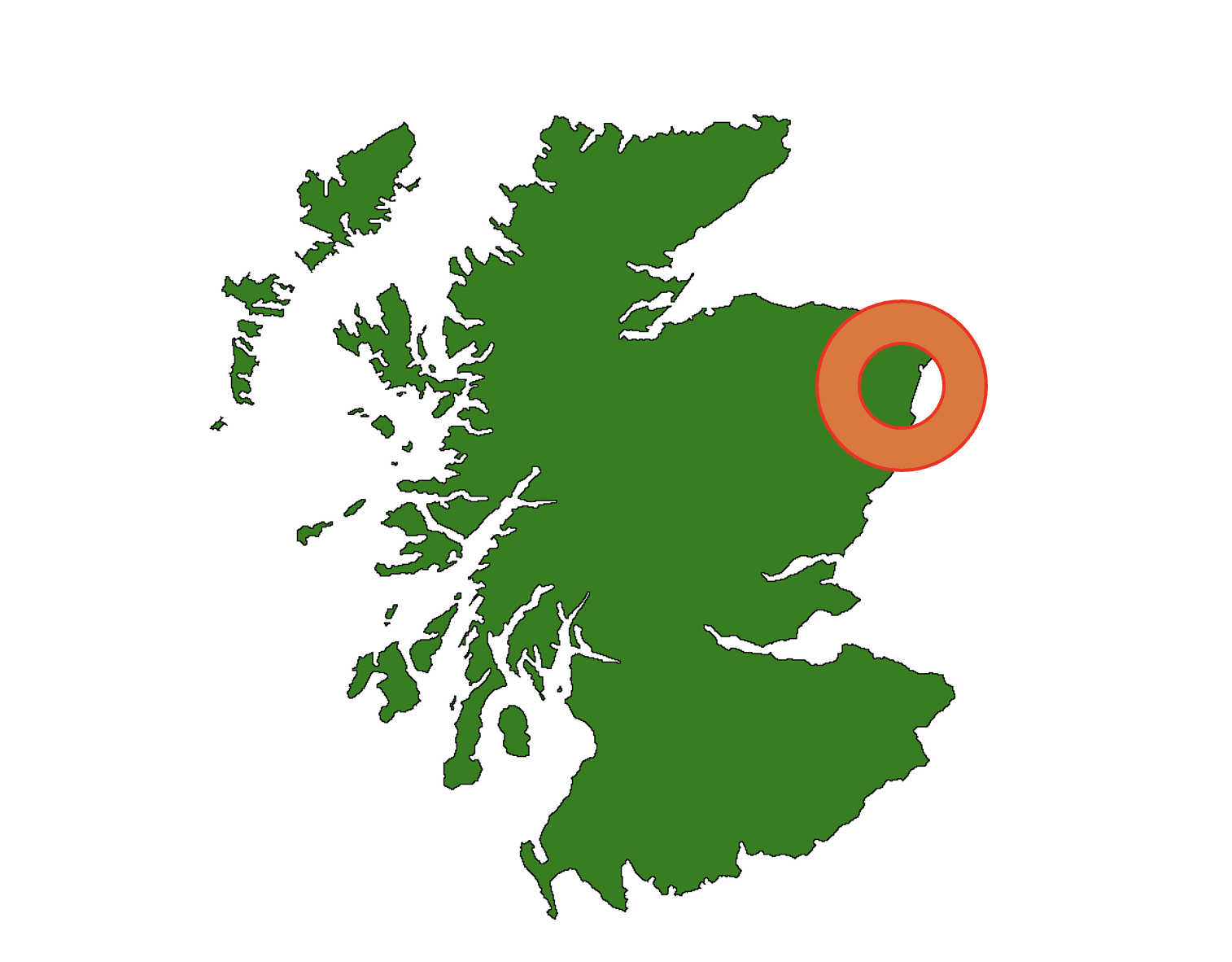
Project 2: Leviticus, Scotland
Transitus is developing a project on the east coast of Scotland for industrial fuel switching, in collaboration with a major Scottish industrial complex and a market leading global engineering consultancy.
Transitus Energy will initially provide 10 tonnes per day of low-carbon hydrogen to facilitate switching from natural gas, eliminating the firm’s scope 1 emissions.

Currently at the pre-FEED study stage, this project will be generating roughly 2 tonnes per day of hydrogen for other local users, along with CO2 for local industrial applications, reducing the need for costly imported carbon dioxide.